
A heritage rooted in Provence
Château de Taurenne - SCEA La Tortue
- 5800 Route de Tourtour
- 83630 Aups - France
- Tel. +33 (0)4 98 10 21 35
- contact@domaine-de-taurenne.fr
Open Monday to Saturday from 10am to 6pm non-stop. Except public holidays.


History of the Taurenne Estate
The Domaine de Taurenne boasts a rich history dating back to the 12th century. Initially owned by the Knights Templar, it gradually evolved into a thriving agricultural estate. For centuries, the terraces surrounding the château were cultivated, notably with olive trees. Despite hardships—frost, fires, and neglect—the olive tree has remained a symbol of the estate's resilience.
In 1999, a new era began: with respect for its past, the estate was replanted with over 11,000 olive trees, including local varieties such as Bouteillan and Aglandau. Today, Taurenne olive oil embodies not only the richness of its terroir, but also a centuries-old heritage of nature, tradition, and expertise.
The castle
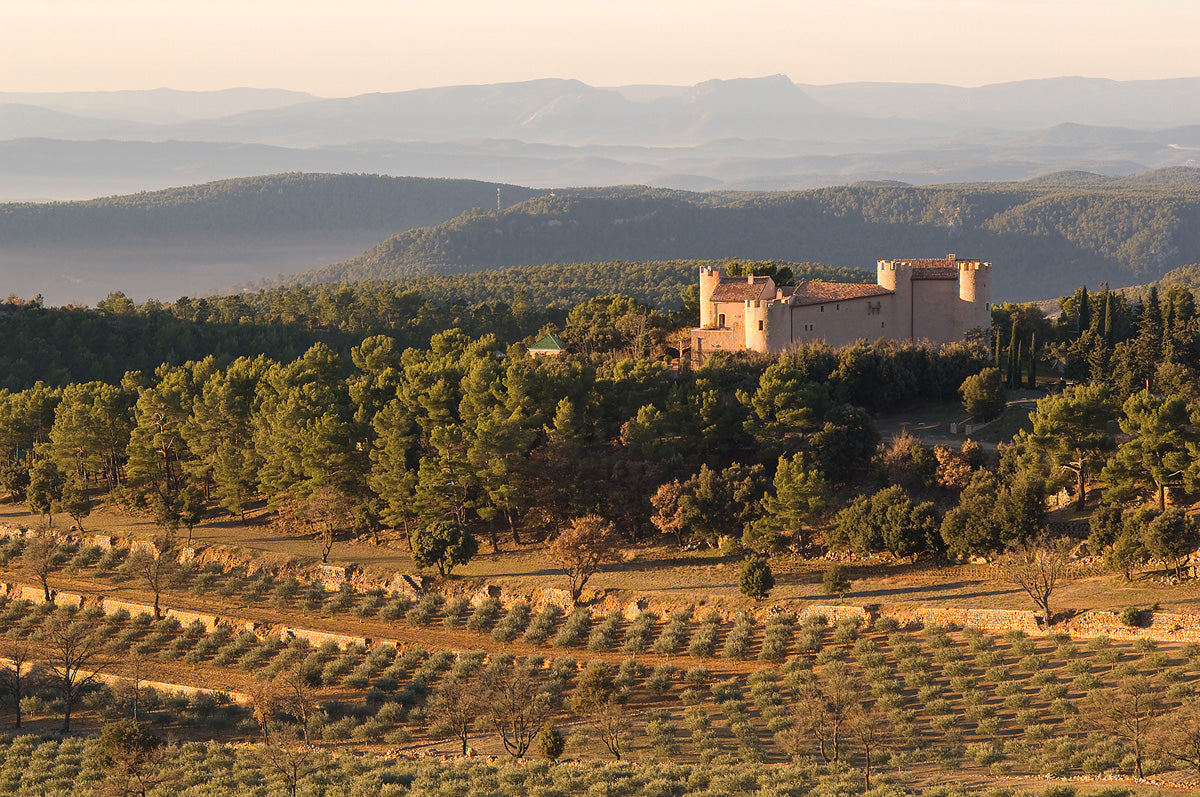
The Château de Taurenne is, without a doubt, one of the most beautiful and one of the last Var buildings dating from the Middle Ages.
The origins of Taurenne Castle date back to around the 12th century. Built on a promontory, it overlooks the southern part of the property, which is covered with garrigue and woodlands of pines and oaks.
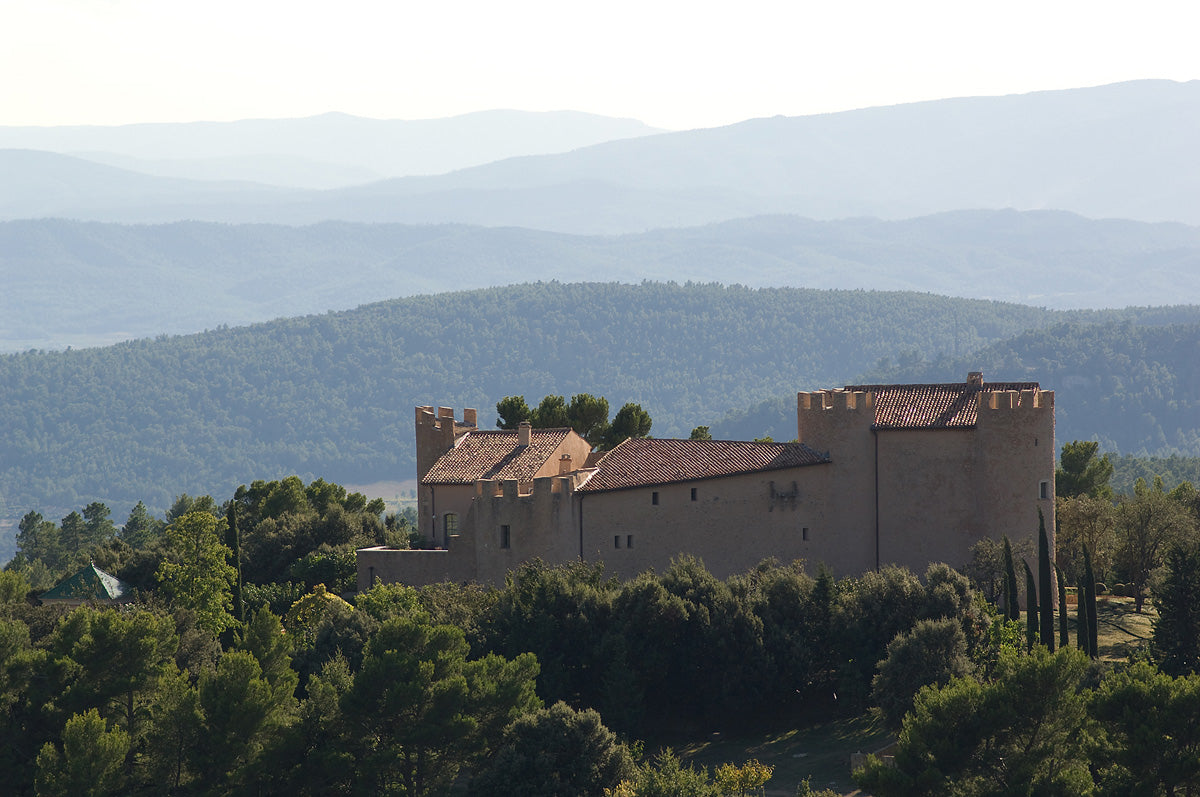
It is an imposing fortified castle, flanked by four crenellated round towers, which once belonged to Baron Isnard.
The Gérard family
However, there is little written information available about the Domaine de Taurenne.
"Le Petit Var", in its edition of August 9, 1931, is one of the few documents that describes it in a significant way: "in the middle of a pine forest, rises the castle of Taurenne, property of an old Toulon family, the Gérard family" .
Indeed, the Gérard family had taken possession of it at the end of the 19th century and kept it until around 1950.
Flourishing agriculture
The Order of the Templars had invested in the castle of Taurenne, probably in its early days, and had made the estate a flourishing agricultural operation.
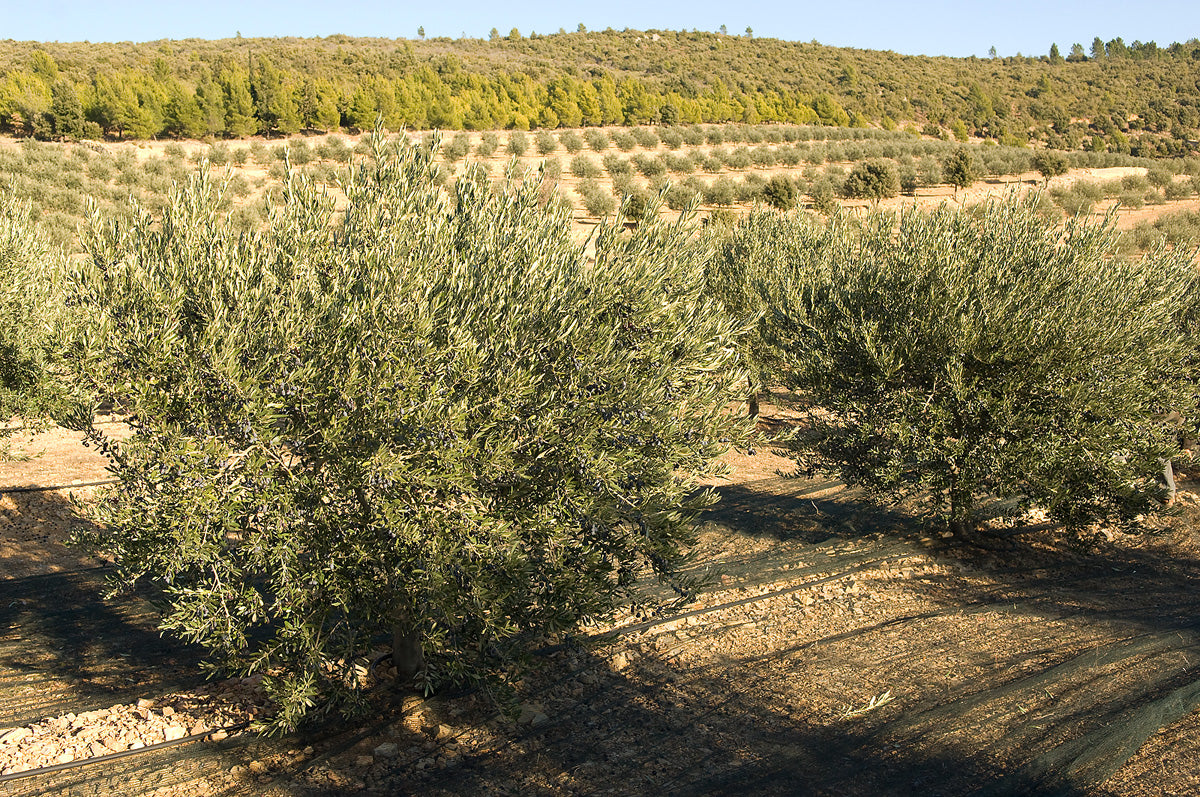
The property was laid out from its creation in terraces located to the north of the castle where food crops were probably grown under the olive trees.
The crops persisted until the beginning of the 20th century and then gradually declined.
The olive tree remained present until the 1950s but as for the whole region, the great frost of 1956 was fatal to its cultivation.
The Sacred Land, our homeland
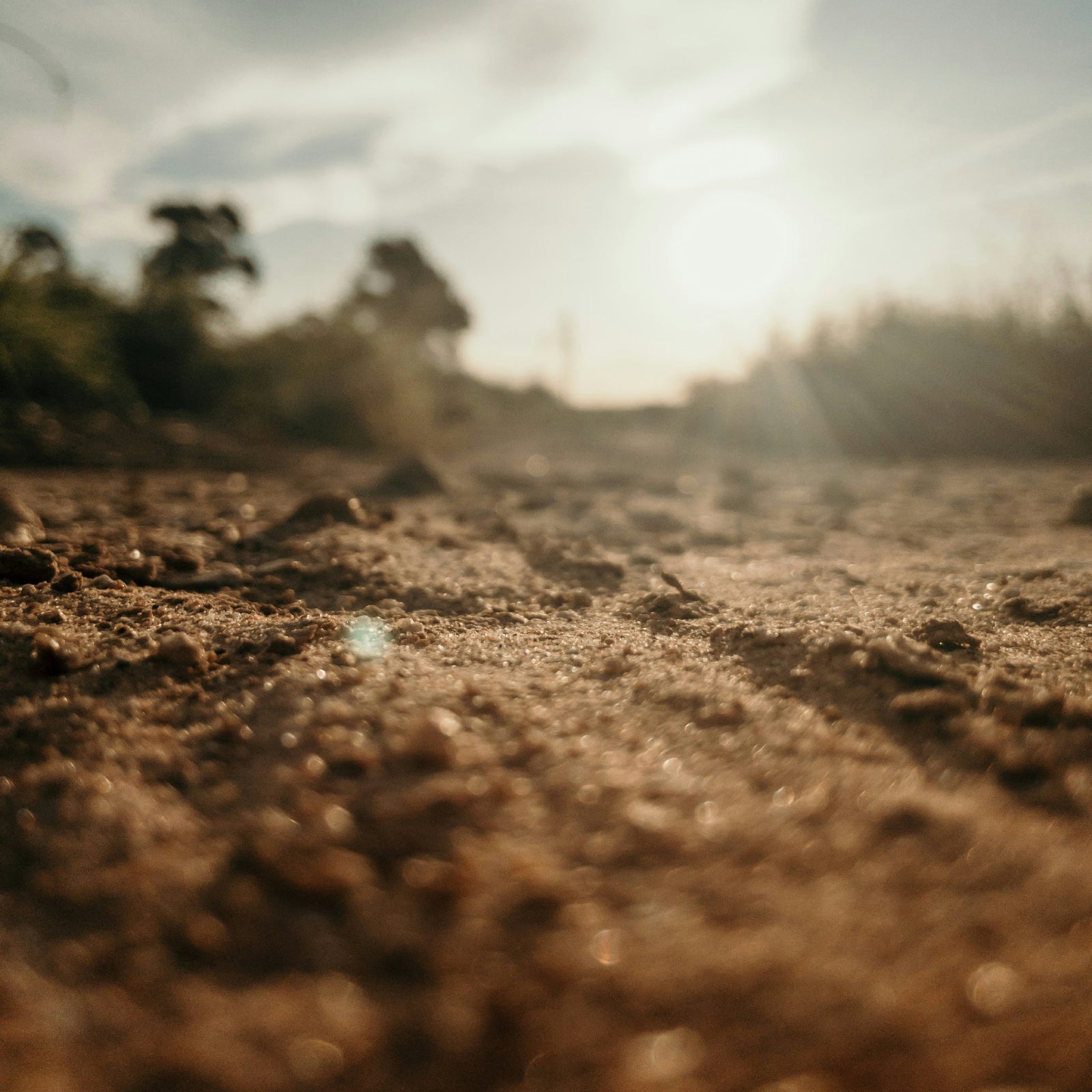
Beneath the Provençal sun lies a land unlike any other—a mosaic of ancient geological terraces, sculpted by time and composed of stone, clay, and mineral-rich marl. These layers, some millions of years old, offer a complex structure, nourished by calcium, potassium, and trace elements essential to the vigor and expression of the olive tree.
Here, each variety is carefully chosen: Bouteillan thrives on limestone slopes, Aglandau draws its strength from the more clayey areas, while Frantoïo and Petit Ribier find their balance where their roots slip between stone and earth. Each tree engages in a dialogue with the soil that nurtures it—and it is this dialogue that gives the oil its depth and character.
This harmony was not born of chance. It is the work of the former lady of the castle—a philosopher at heart, a geologist by training—who read the earth like a manuscript. Combining intuition and science, she was able to reveal the perfect accord between soil and tree.
It's not just a place.
This is the cradle of creation.
Alchemy
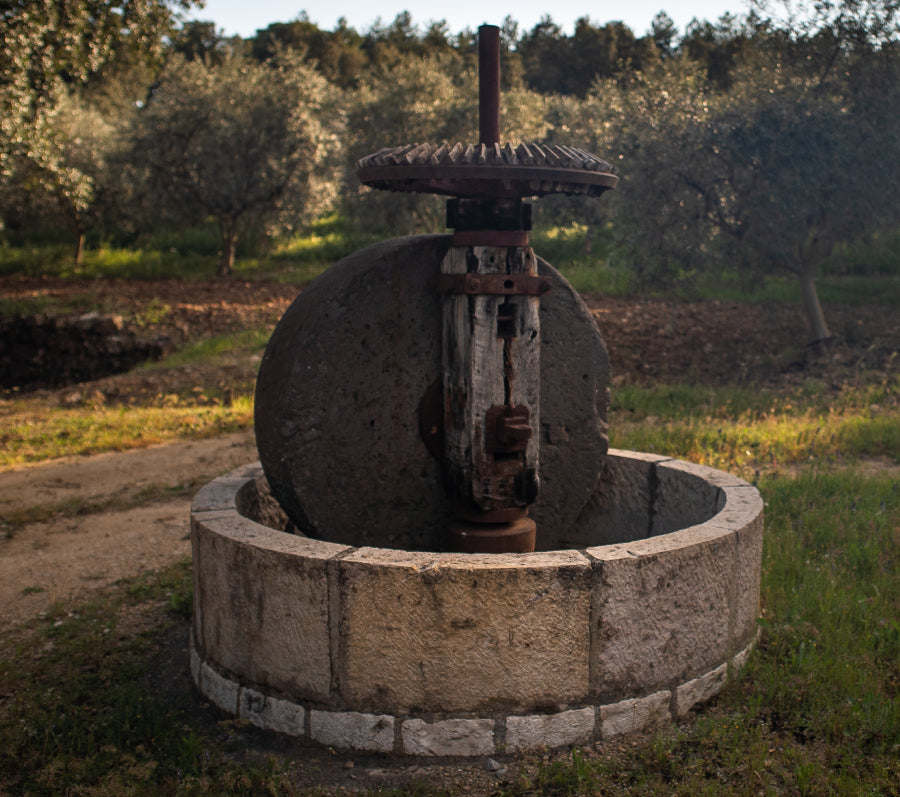
At L'Or de Taurenne, alchemy is the art of transformation — from harvesting to blending, from pressing to bottling. At each stage, human skill is combined with the precision of the most advanced technologies.
Workers, millers, assemblers, bottlers, managers — each one is essential.
Every gesture is a refinement. A true offering to the senses.
The Alchemists of Good Taste
Their names have faded away. But their creations have stood the test of time — served in every corner of the world.
A handful of romaine lettuce, an egg, a little Parmesan: the Caesar Salad, born from the hand of Cesare Cardini, in the urgency of summer service. Raw beef becomes Carpaccio, thanks to the refined eye of Giuseppe Cipriani. Apples and celery unite in the Waldorf Salad, conceived by Oscar Tschirky at the hotel of the same name. And a late brunch gives rise to Eggs Benedict, inspired by a certain Samuel Benedict.
Their faces have faded, but their legacy lives on. They were the true alchemists of good taste, the ones who transformed the simple into the unforgettable. And today, others carry on that spirit, plate after plate.
Used by Michelin-starred chefs
Villa Archange, L'Or Bleu, Soléa, Le Nid, Le Jardin de Berne, Bruno, La Palme d'Or, Clos Séméria, La Pinède plage, L'Escale, Chez Bruno, Terre Blanche.
Most of them are starred, ***, ** and *.
Selected by the elite of European gastronomy
From Paris to Brussels, and across Germany's major cities, La Grande Épicerie de Paris, ROB, and FrischeParadies are among Europe's most prestigious delicatessens. Only products of exceptional quality and true craftsmanship find their place there. Our olive oil is proudly displayed alongside the finest gastronomic offerings.

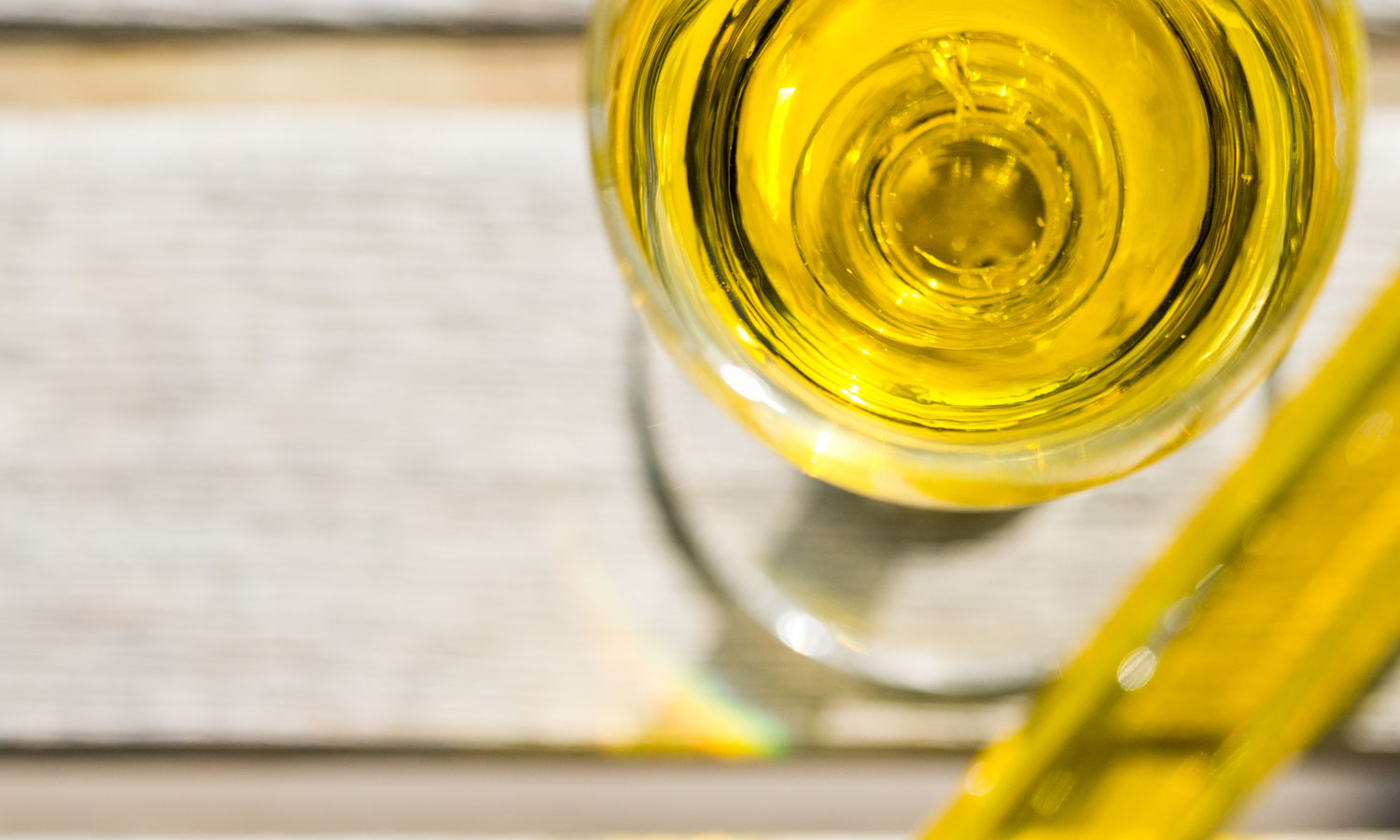
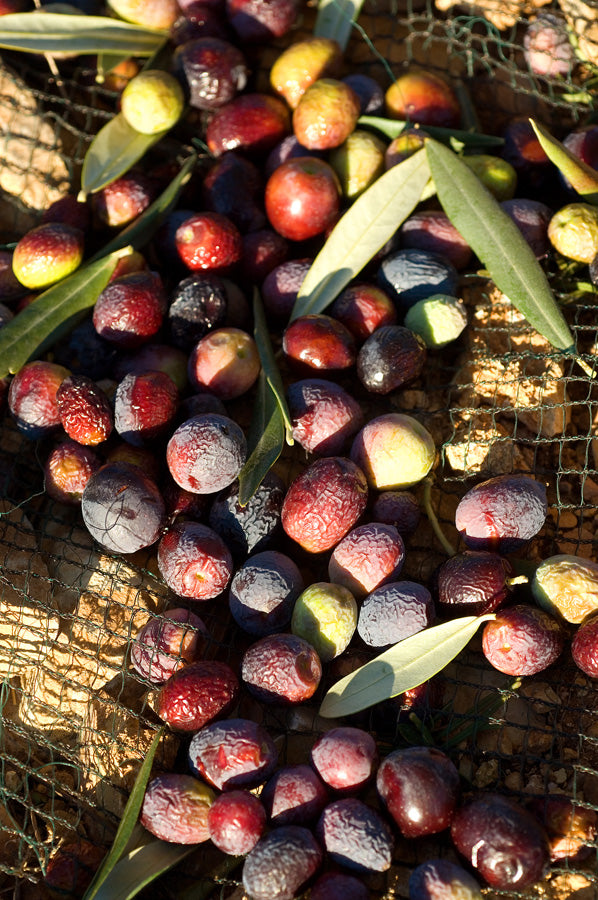
At Château de Taurenne , the selection of our olives is a key step that reflects our commitment to quality and ethics. We carefully choose precious varieties, grown organically and harvested using traditional methods. These give rise to an olive oil with rich, authentic, and 100% natural flavors.
Supply of valuable ingredients .
We would love to have your opinion.
If you have any questions, please fill out this contact form, and our team will get back to you as soon as possible.
The information collected from this form is recorded and sent to a contact at Domaine de Taurenne responsible for processing your message. You have the right to access, rectify, and object to your personal data, which you can exercise by contacting us.
Frequently Asked Questions
Do you have a question about our olive oil, your order, or your delivery? Below you will find answers to frequently asked questions. Still can't find the answer to your question? Don't hesitate to contact us; we'll be happy to help.
The castle dates back to the 12th century and has a rich history as an agricultural estate, with close links to the Knights Templar.
The estate produces single-varietal olive oils, notably from the Bouteillan, Aglandau and Frantoïo varieties, as well as a PDO certified blend.
Yes, guided tours and tastings are offered. Visitors can explore the olive groves, the mill, and the winery.
The shop is open Monday to Saturday, from 10:00 am to 6:00 pm. It is closed on Sundays and public holidays.
Yes, the products are available via the online store on the official website of the domain.
Yes, pets are welcome on the property.
Yes, the estate regularly organizes events, such as Olive Day and art exhibitions.
Through ecological farming practices, such as the use of natural fertilizers and the reduction of pesticides, the estate contributes to the preservation of local biodiversity.
The combination of traditional cultivation methods, modern production techniques and the unique terroir of Provence results in a high-quality olive oil with a rich taste.
You can contact them by phone at +33 (0)4 98 10 21 35 or by email at the following address: contact@domaine-de-taurenne.fr .